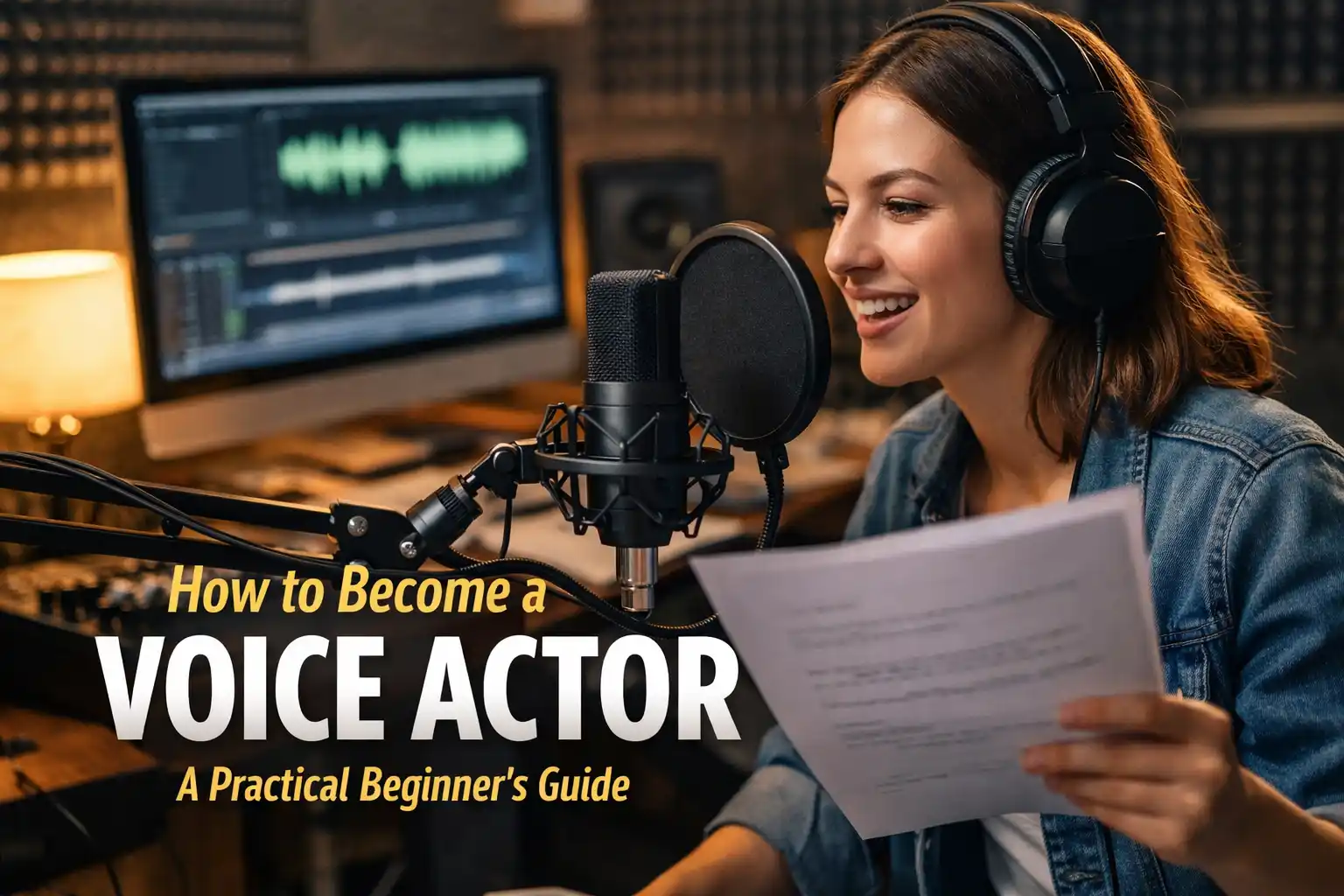
Voice acting is one of those careers that blends creativity with technical skill. You don’t need to be on screen, yet your voice can appear in films, ads, games, audiobooks, and more. With the growth of digital content, the demand for voice talent has expanded, making it more accessible than before. Still, getting started requires clarity, practice, and patience.
Understanding the Craft of Voice Acting
Voice acting is not just about having a “good voice.” It involves delivering emotions, clarity, and meaning through speech alone. Unlike traditional acting, you rely entirely on tone, pacing, and expression to connect with listeners.
Different types of voice work exist, including narration, dubbing, commercials, animation, and audiobooks. Each requires a slightly different approach. For example, narration focuses on clarity and consistency, while animation often demands exaggerated expressions and character variation.
Building a Strong Foundation
Before jumping into paid work, it helps to understand your voice and how to use it effectively. This means practicing pronunciation, breathing techniques, and vocal control.
Reading aloud daily is a simple but powerful habit. It improves fluency and helps you discover your natural tone. Recording yourself and listening back can feel uncomfortable at first, but it reveals areas that need improvement.
Training can also make a difference. While not mandatory, voice coaching or acting classes can sharpen your delivery and teach industry basics.
Setting Up a Basic Home Recording Space
You don’t need a professional studio to begin, but you do need a quiet environment. Background noise is one of the biggest challenges for beginners.
A simple setup includes:
- A good quality microphone
- Headphones for monitoring
- Basic recording software
- A quiet room with minimal echo
Soft furnishings like curtains, carpets, or foam panels can help reduce noise and improve sound quality. The goal is clarity, not perfection.
Creating Your First Voice Demo
A voice demo is your introduction to potential clients. It showcases your range and style in a short audio format, usually 1–2 minutes long.
Instead of trying to include everything, focus on a few styles that suit your voice. For example, you might include a calm narration, an energetic ad, and a conversational tone.
Keep it natural. Overacting or forcing styles can make the demo feel less authentic. As you gain experience, you can update your demo to reflect your growth.
Finding Opportunities and Gaining Experience
Starting out often means taking smaller projects. Freelance platforms, online casting websites, and local opportunities can help you build experience.
At the beginning, the focus should be on learning rather than earning. Small projects help you understand client expectations, deadlines, and feedback.
Consistency matters here. Regular auditions and submissions increase your chances of getting noticed.
Developing Versatility and Style
As you continue, you’ll notice patterns in your strengths. Some people excel in storytelling, while others fit commercial or character roles better.
Instead of trying to do everything, refine your strengths while slowly expanding your range. Versatility grows over time, not overnight.
Listening to professional voice actors can also help. Pay attention to how they use pauses, emphasis, and tone. Try to understand the intention behind their delivery.
Understanding the Industry Side
Voice acting is both an art and a business. Knowing how to communicate with clients, manage revisions, and handle payments is part of the process.
Clear communication is important. Always confirm project details like tone, length, and deadlines before starting. Delivering on time and being open to feedback builds trust.
As you gain experience, you can set your own rates based on the type of work and your skill level.
Staying Consistent and Improving Over Time
Progress in voice acting is gradual. There may be periods with fewer opportunities, especially in the beginning. What matters is consistency.
Keep practicing, recording, and learning. Even small improvements in clarity and expression can make a noticeable difference.
Updating your skills, improving your setup, and refining your demo will gradually open better opportunities.
Why Voice Acting Matters Today
With the rise of podcasts, online videos, e-learning platforms, and gaming, voice content has become more important than ever. Businesses, creators, and educators all rely on voice to communicate effectively.
This shift has made voice acting more relevant across industries. It’s no longer limited to studios or large productions. Independent creators and small businesses also need voice talent.
Final Thoughts
Becoming a voice actor is less about having a perfect voice and more about developing control, understanding expression, and staying consistent. It’s a skill that grows with time and practice.
Starting small, learning continuously, and staying patient can gradually turn voice acting into a meaningful creative path.
FAQs
1. Do I need a special voice to become a voice actor?
No. Clear speech, control, and expression matter more than having a unique or deep voice.
2. Can I start voice acting from home?
Yes. Many beginners start with a simple home setup and improve it over time.
3. How long does it take to become a professional?
It varies. With consistent practice and effort, noticeable progress can happen within months, but building a stable career may take longer.
4. Is training necessary for voice acting?
Not required, but training can help improve technique and confidence faster.
5. Where can beginners find voice acting work?
Online platforms, freelance websites, and small local projects are common starting points.